

These are just my thoughts. I’m no medical professional, so please bear that in mind before considering taking any of my words as advice. And please, protect your peace and read along at your own discretion. Your mental health is important.
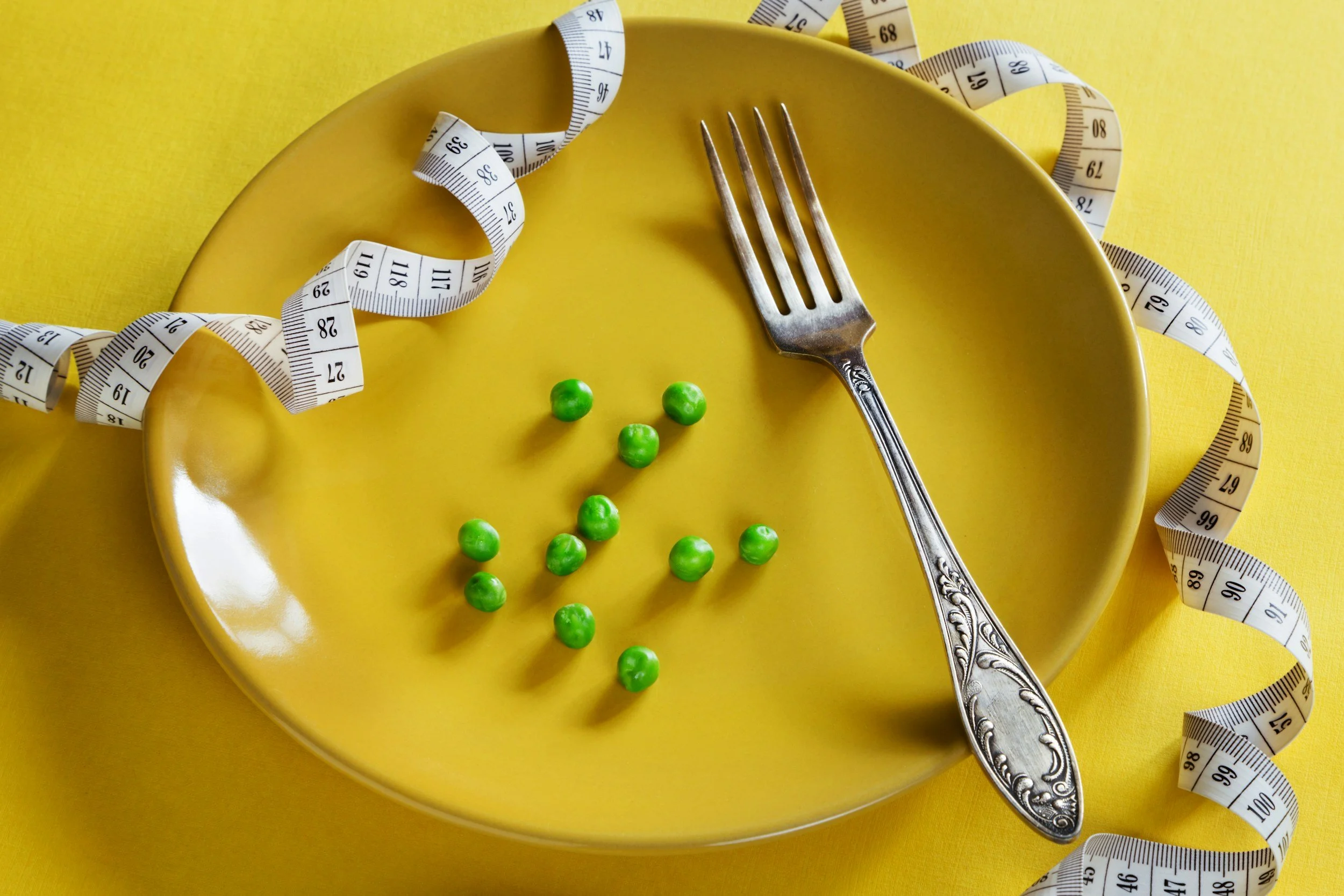
Like many young girls (and boys, which is often overlooked when talking about eating disorders), I really can’t remember a time during and post my teenage years when I wasn’t overly conscious about my body. It’s something I still struggle with to this day, but perhaps not as severely as I did during high school and the early years of college. I have a handful of fantastic therapists to thank for that, and in all honesty, I’m still a work in progress.
So, while in the trenches of these insecure feelings around food and my body, how did I even entertain going vegan when the mainstream discourse only focused on how restrictive a”diet” it is? Wouldn’t that hinder my recovery? When my internet searches were focused on the likes of weight loss, diet plans, and calorie restriction, I was faced with no shortage of “raw vegan” food content, and how a “vegan diet” is great for weight loss. It wouldn’t be a total surprise if I were to go vegan just so that I could achieve and maintain the “ideal body,” which, let’s be real, will NEVER be attained because when you have such a dysfunctional relationship with your body, there’s always something that needs to be “fixed.”
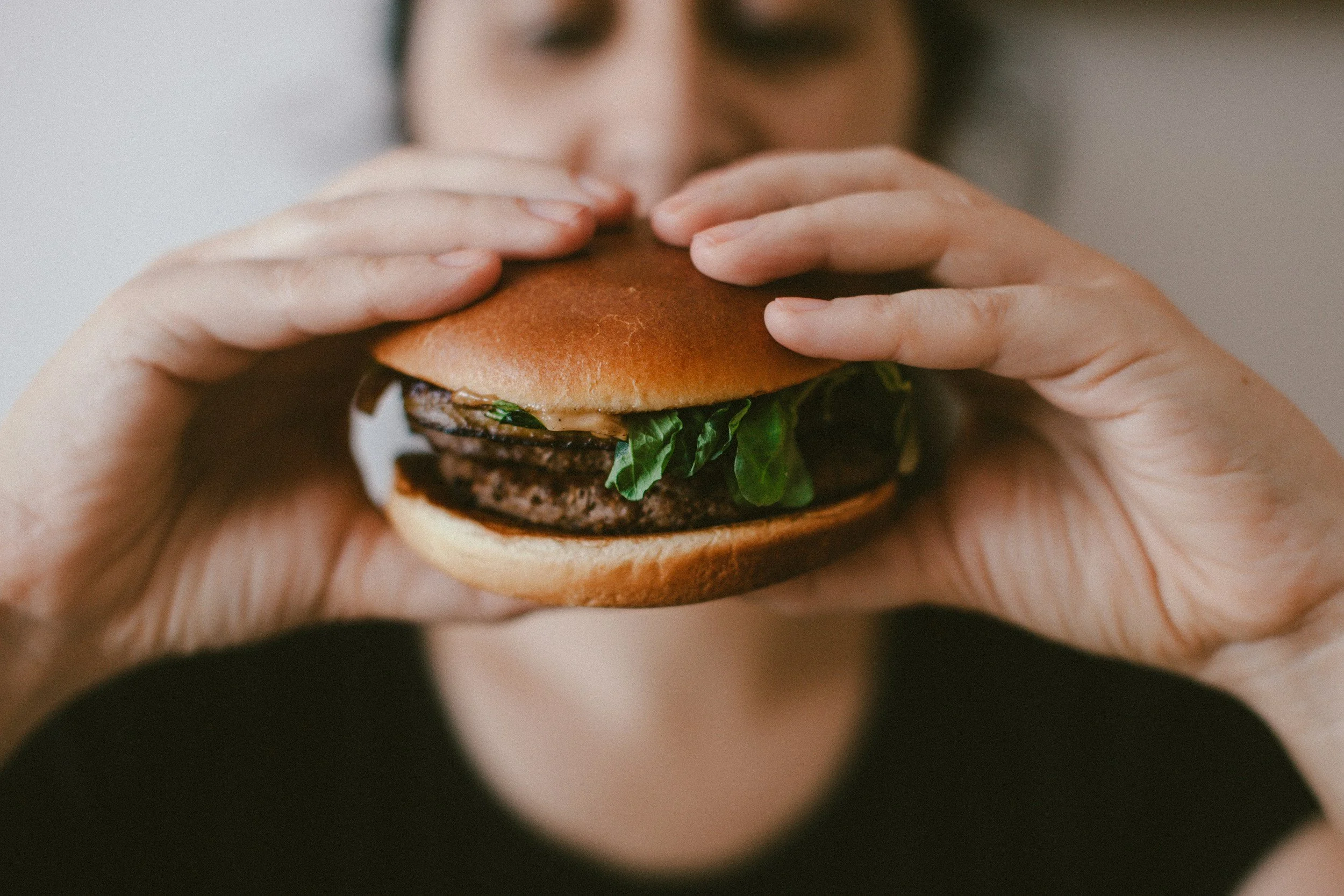
At some subconscious level, did the disordered eating voice in my head add to my decision to go vegan? Maybe. Maybe not. I’d like to think it’s the latter, because what ended up happening was food was no longer an “enemy,” but instead, became something I genuinely looked forward to and learned to enjoy once again. I became the girl who loved watching MasterChef Australia and envisioning ways to make animal-free versions of some of the dishes featured on the show. I started following content creators like Cheap Lazy Vegan, whose personality, love for food, and positive relationship with their body image deeply resonated with where I aspire to be when it comes to my relationship with my body.
Veganism played a huge role in shifting my perspective on food. It was no longer calories on the plate. It was creativity, nature, and traditions spanning centuries, and something about that was magical. But by no means is this experience for everyone. Sure, while the philosophy of Veganism extends far beyond food to clothing, cosmetics, and other aspects of daily life, the food component is the most visible and socially reinforced expression of it. For those with a history of eating disorders or disordered eating who resonate with the ethos of Veganism, switching to an animal-free diet can be tricky.
Even when they want to live in alignment with their values and morals, it’s important to remember that for those with disordered eating, food is not a neutral concept. Rather, it’s a source of anxiety, control, and emotional distress, and when you add the ethical layer of plant-based eating to the mix, it can be counterproductive to one’s healing. Thoughts like “this is good food” versus “this is bad food” can intensify, not because of the ethics themselves, but because the disorder amplifies black-and-white thinking. Plus, for experts on eating disorders, there’s a very valid concern that the underlying ethics of veganism are used as a socially acceptable way to mask restrictive eating.
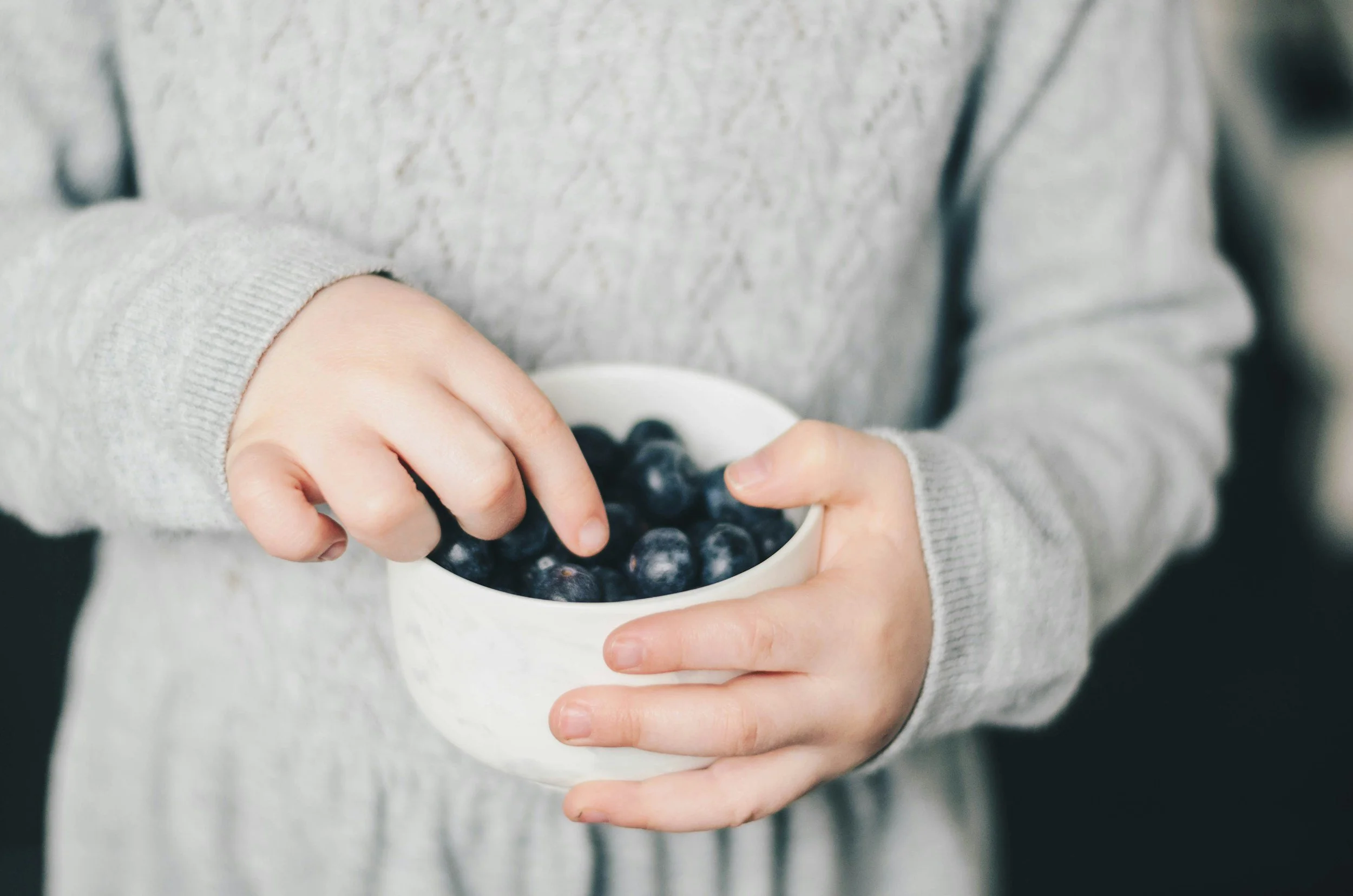
While Veganism does not inherently require restriction in a nutritional sense, and a well-planned vegan diet is perfectly healthy for all stages of life, for someone recovering from an eating disorder, the psychological experience of restriction can be just as significant as the physical reality. Even if a vegan diet is nutritionally adequate, the mental framework surrounding it may still reinforce patterns of control or avoidance. In recovery contexts, flexibility is often emphasized as a key component of healing, which can feel at odds when navigating the ethics of veganism.
This does not mean that individuals in recovery cannot or should not be vegan. Rather, it highlights the importance of intention and being true to your “why.” For some, temporarily loosening dietary restrictions—even those rooted in ethics—may be necessary to prioritize recovery. For others, it may be possible to leave animals and their by-products off their plates while actively challenging disordered thoughts and behaviors, especially with guidance from clinicians who understand both eating disorders and the ethical frameworks underlying Veganism. In fact, as awareness grows, we are seeing eating disorder treatment centers like Alsana that offer dedicated treatment programs for their vegan clients.
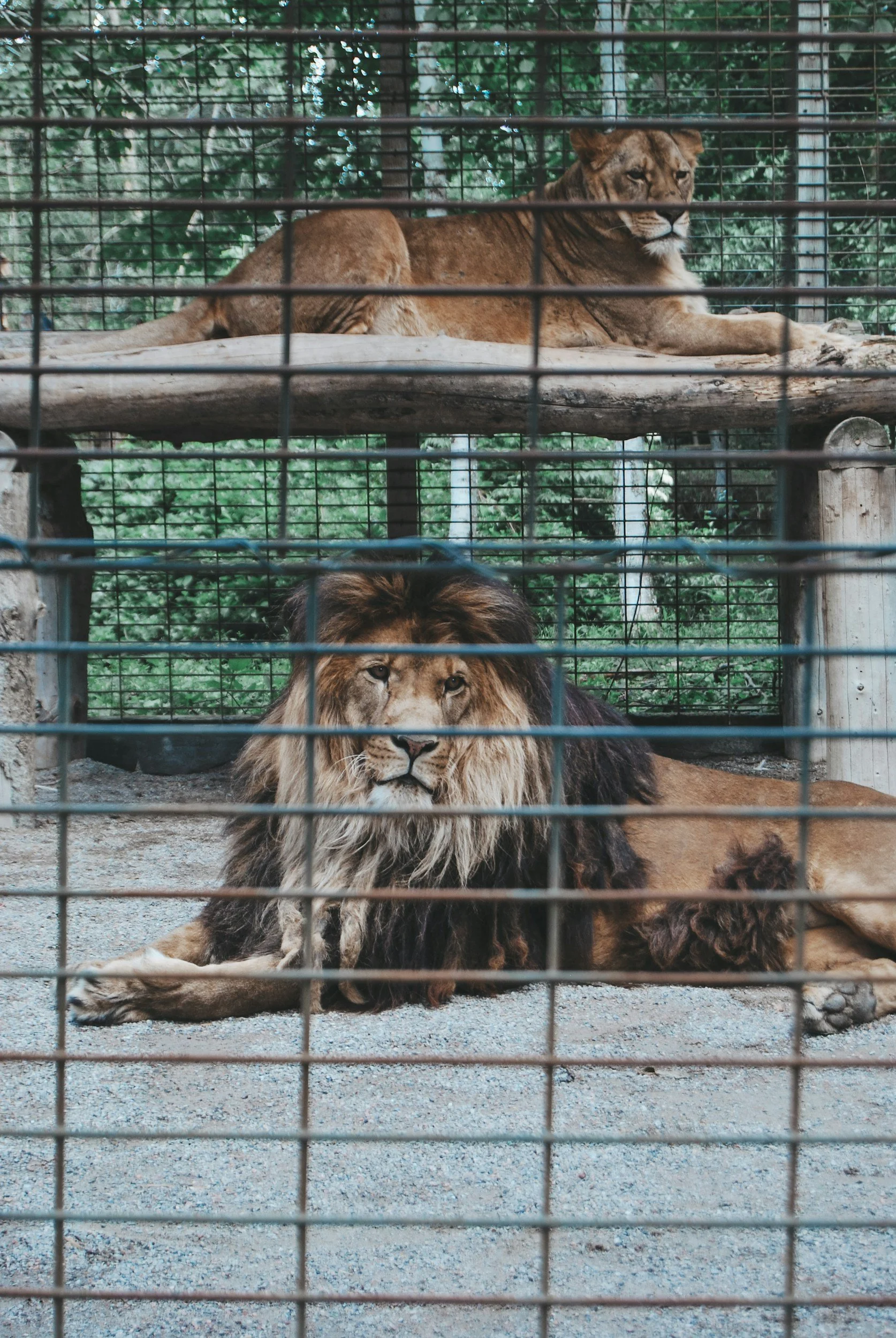
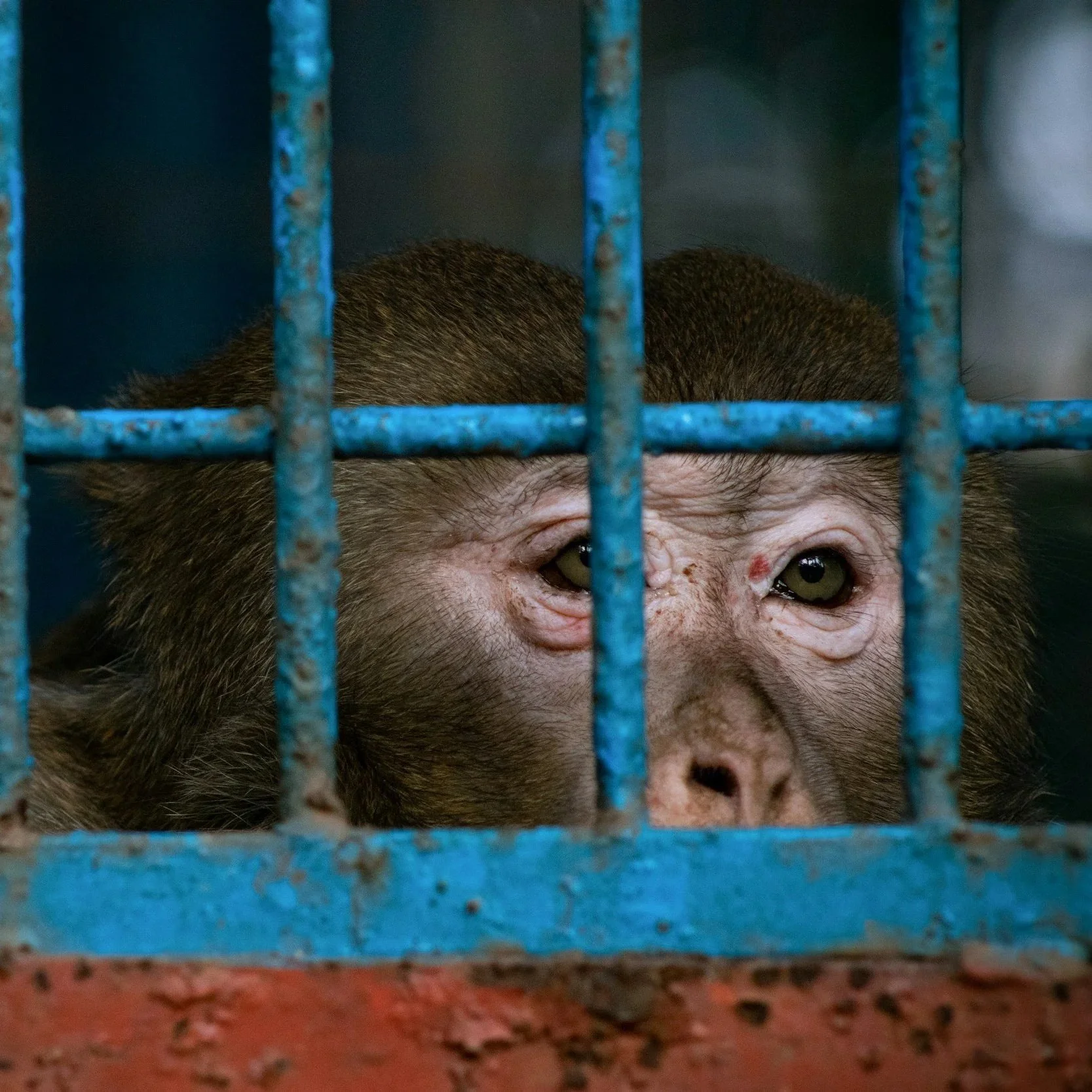
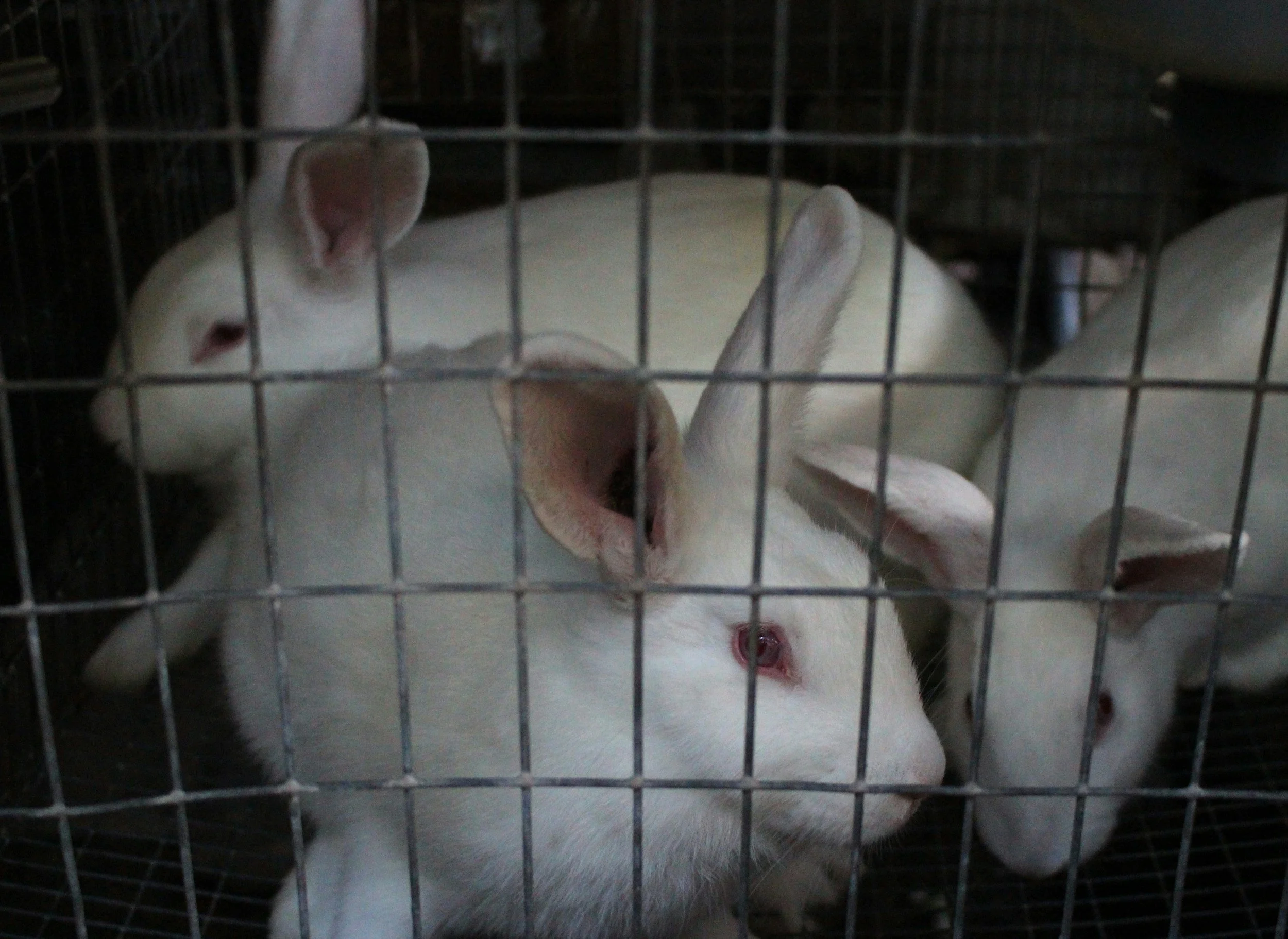
The all-or-none mindset is very prevalent in the vegan space, with little to no room for nuance. In my view, folks with disordered eating are not abandoning their morals, even when on a surface level, their food might allude to the contrary. That doesn’t mean one cannot put their vegan values into practice in other aspects of their lives. Buying cruelty-free cosmetics, self-care products, and other home-care supplies like cleaners and detergents. Saying no to leather, wool, silk, or any textile made from animals. Not participating in forms of entertainment that exploit animals, such as some circuses, SeaWorld, and petting zoos. Rather than visiting zoos and aquariums, where animals are held in captivity for their entire lives, consider supporting wildlife restoration and rehabilitation efforts.
The food aspect may follow, or it may not, and a more informed, empathetic conversation around this topic is essential. Dismissing Veganism as inherently disordered erases the ethical motivations behind it, while ignoring the risks for those with vulnerable relationships to food can be equally harmful. By acknowledging the complexity, we can create space for individuals to honor both their values and their recovery—without forcing them to choose between the two.
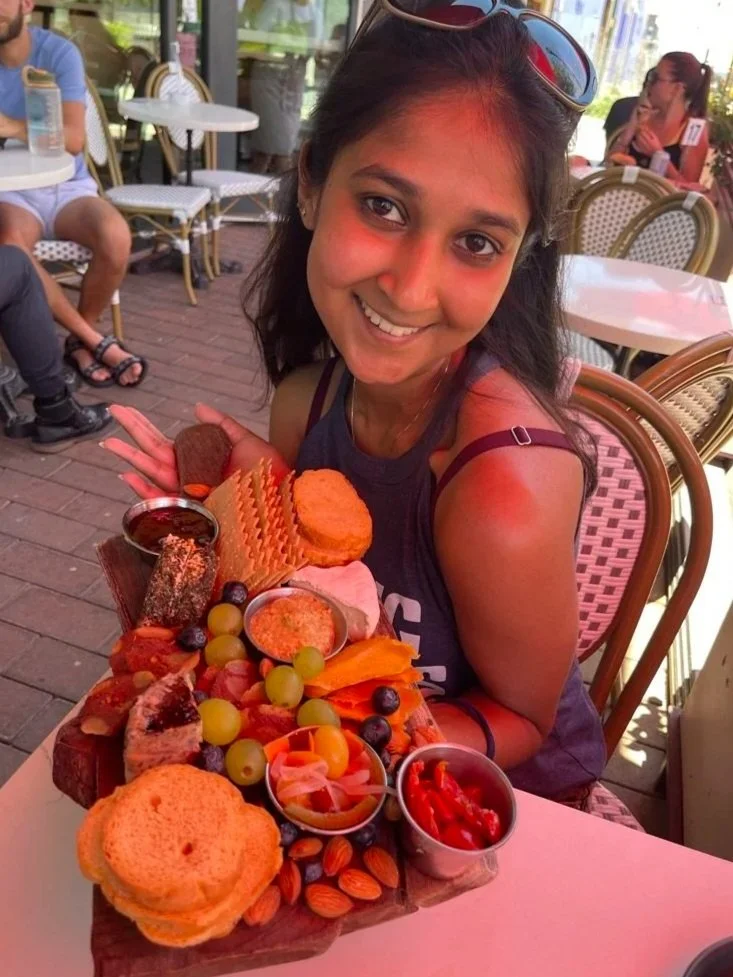
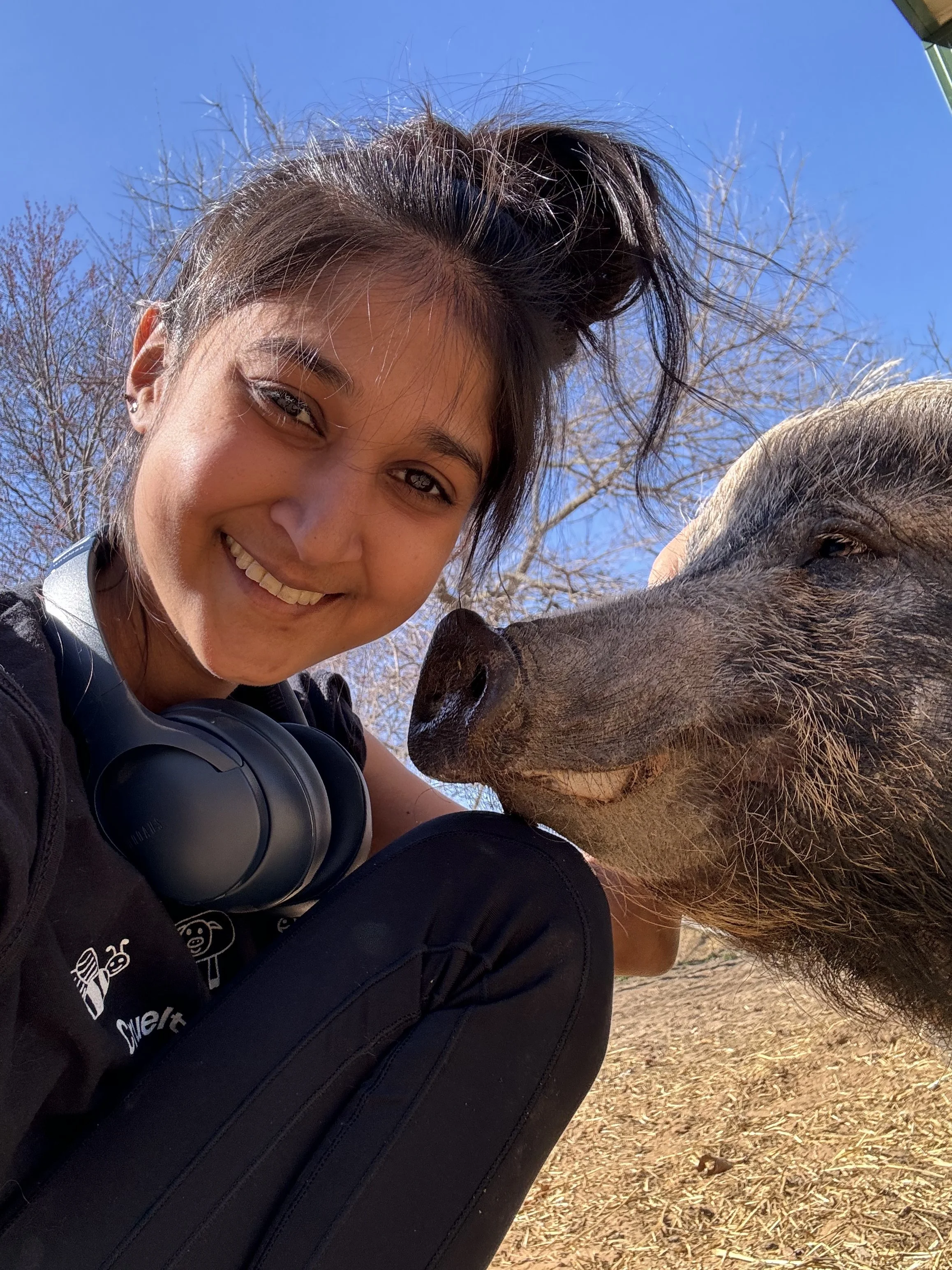
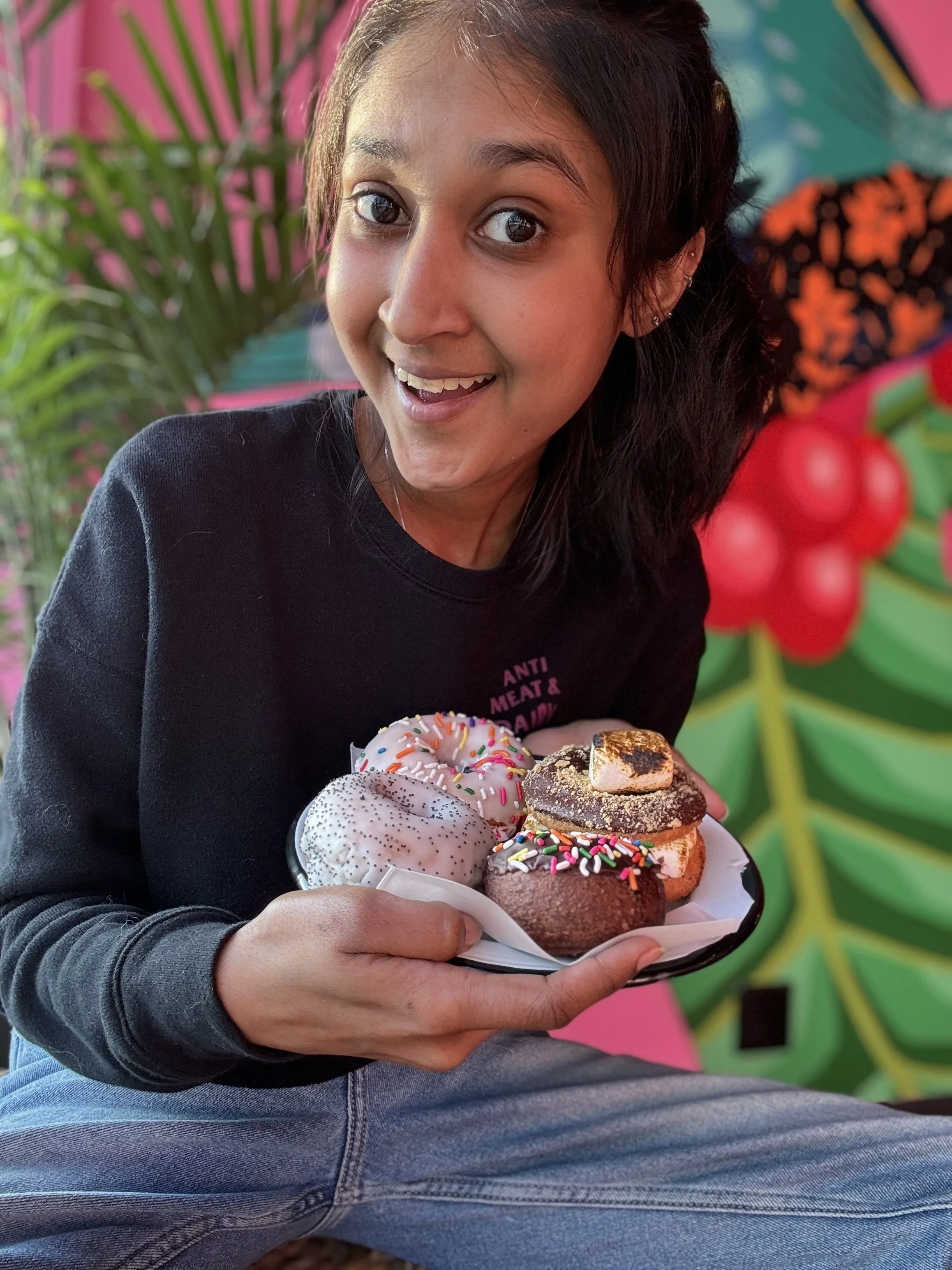
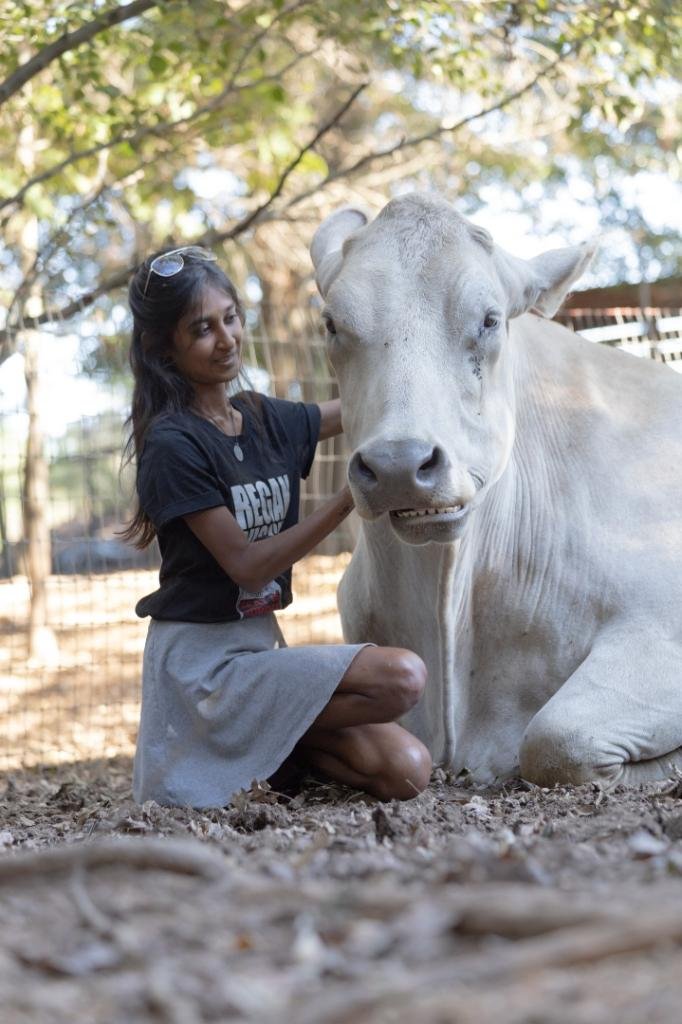
Do I still struggle with my body image? Absolutely. But I’ve come such a long way from where I used to be, and I have the abundance of the plant and fungi kingdom, and the culinary creativity they inspire, to thank for bringing me one step closer to being unapologetically free.
