

Long before veganism became a wellness buzzword, communities across Asia had established rich traditions of cooking without animal products. From Buddhist-influenced food cultures to cooking techniques that centered on plant-based ingredients, our food history challenges the mainstream notion that vegan food is a modern trend reserved for affluent consumers and wellness influencers.
The global rise of veganism has created opportunities to rediscover food traditions that have existed for generations. Still, the commercial conversation in the United States often frames plant-based food primarily through deep-rooted stereotypes: boring, bland servings of veggies and grains, or meat replacements that are “trying too hard to mimic the ‘real’ thing.”
To gain the perspective of a chef with deep roots in East and Southeast Asian cooking, I spoke with Chef Rich Wang, owner of Minyoli in Chicago, the city’s renowned destination for authentic Taiwanese cuisine, and creative fusion dishes that celebrate the flavors of Taiwan and Chicago’s vibrant food scenes. Though not an exclusively vegan restaurant, they have a fantastic selection of vegan dishes on the menu, not because they’re tapping into the mainstream vegan market, but because vegan food is intrinsic to the history of Taiwanese cuisine.
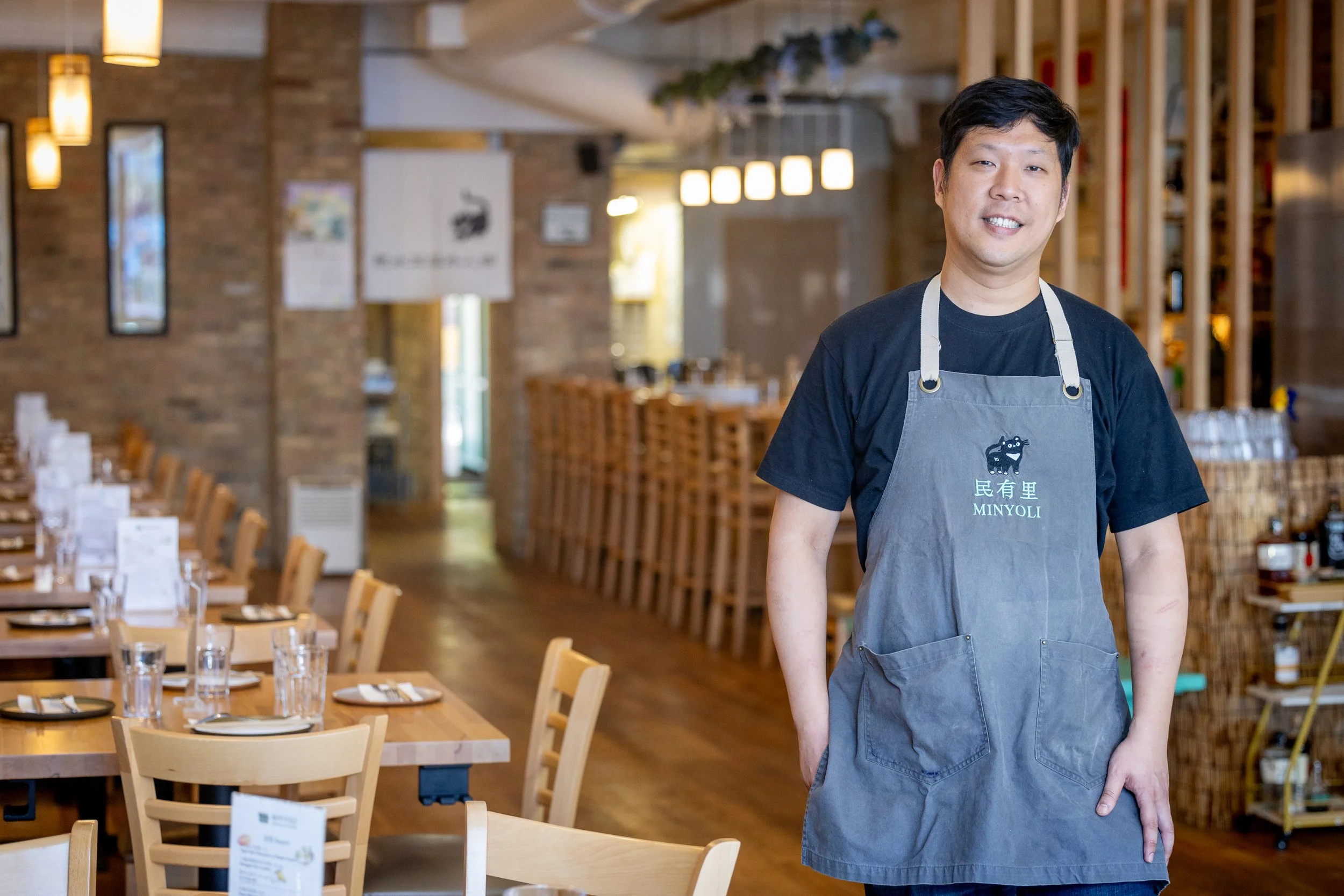
Chef Rich Wang; Owner, Minyoli
Photo credits: Kathleen Hinkel
“There is a deep Mahayana Buddhist tradition in Taiwan, so plant-based eating has long been part of the culture, and there is also an enormous market for this kind of food,” explains Chef Wang. In terms of how substitutes to animal meat are viewed and marketed in the States, he says, “Companies with real marketing power still tend to frame plant-based food primarily as a substitute for meat… perhaps because vegan traditions aren't as deeply rooted in American culinary culture… when a food culture doesn’t separate plant-based dishes from meat-based dishes, and treats plant-based ingredients with the same level of care and importance, plant-based food can have mass-market appeal rather than being seen as something exclusively for people who follow a vegan diet,” he sagely adds.
And that’s exactly how plant-based foods are viewed in Southeast Asian cuisine. It’s not a niche that receives constant scrutiny and criticism, as is the case in the West; rather, they are part and parcel of the region’s diverse food culture.
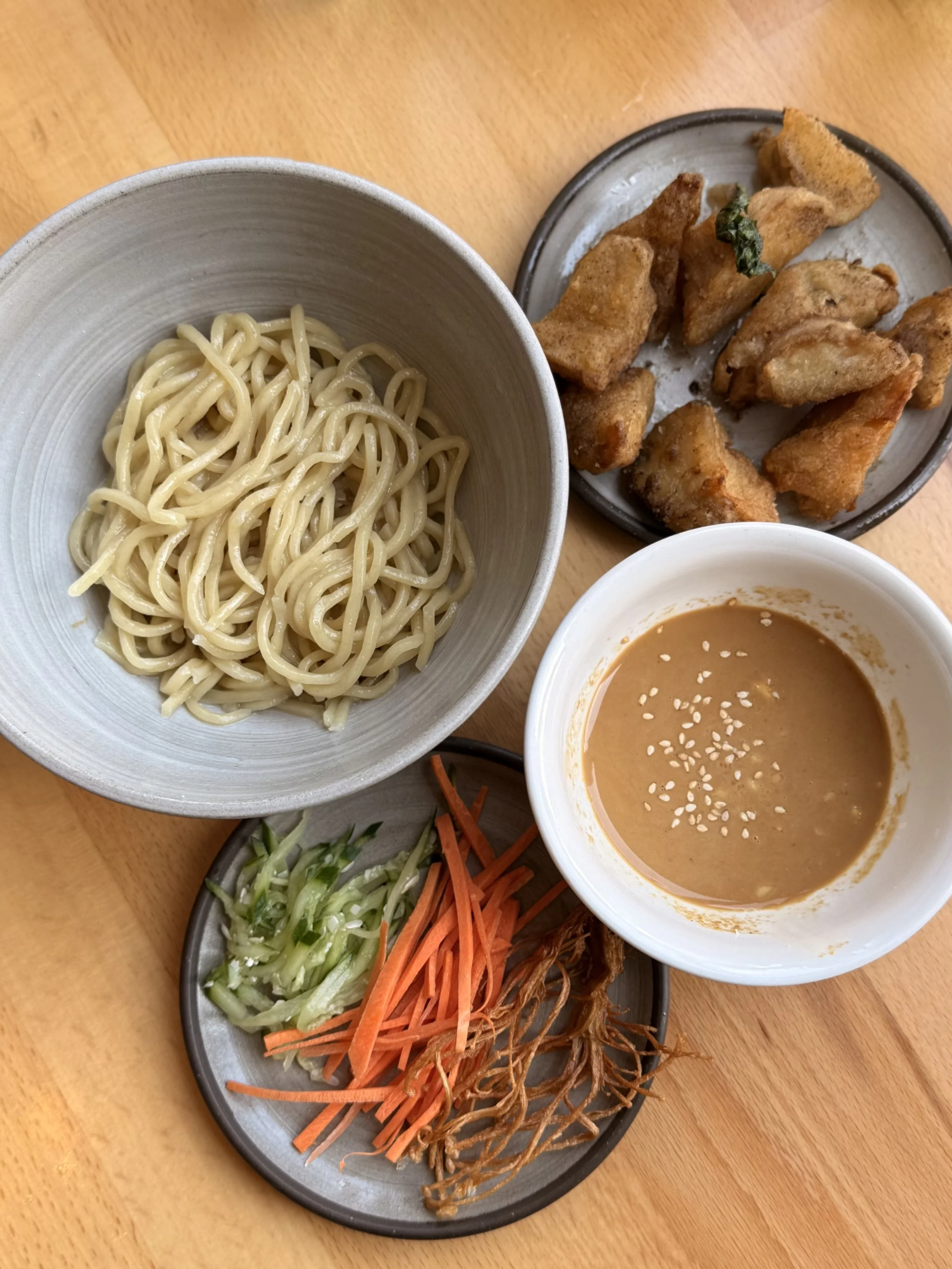
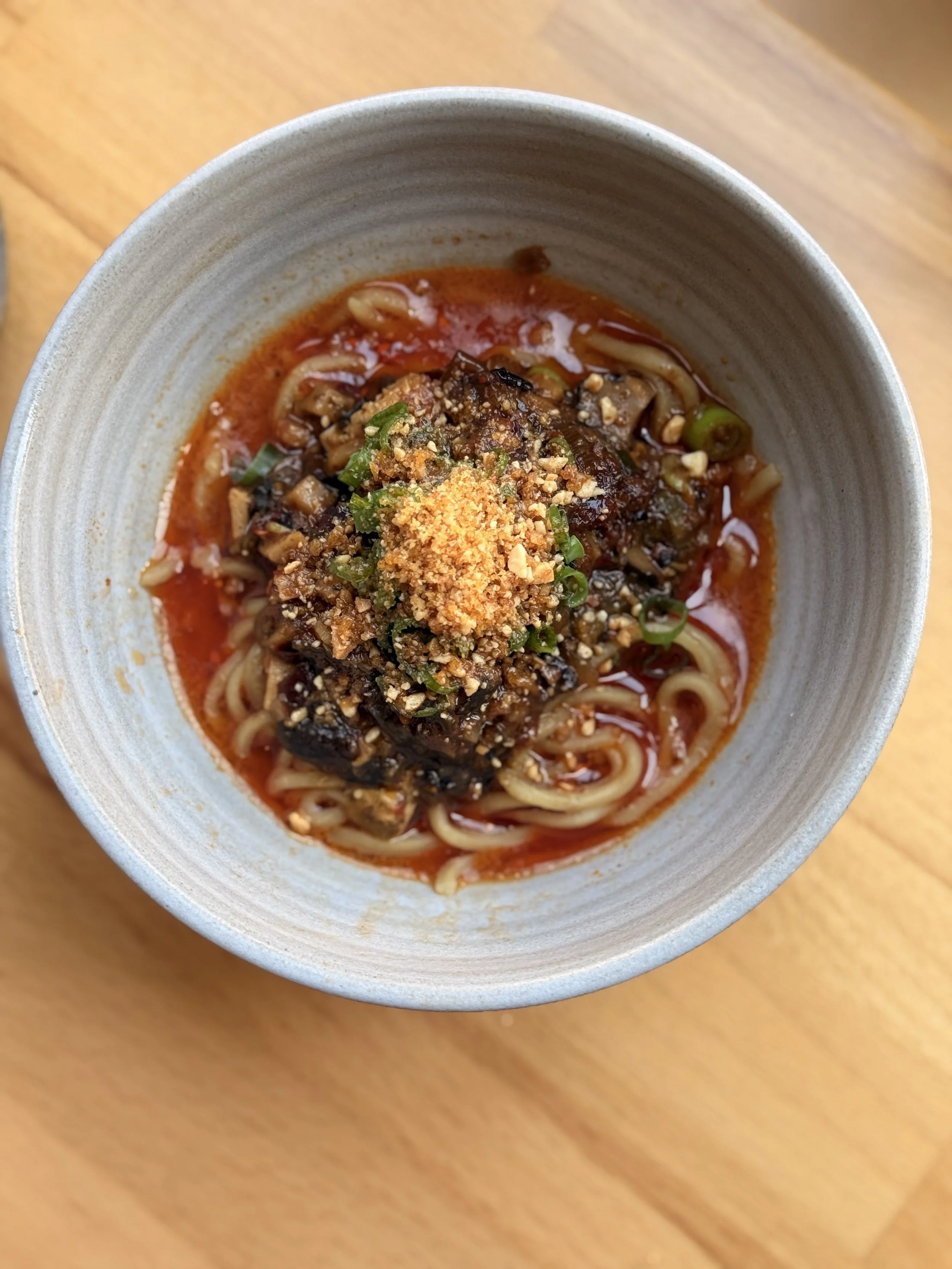
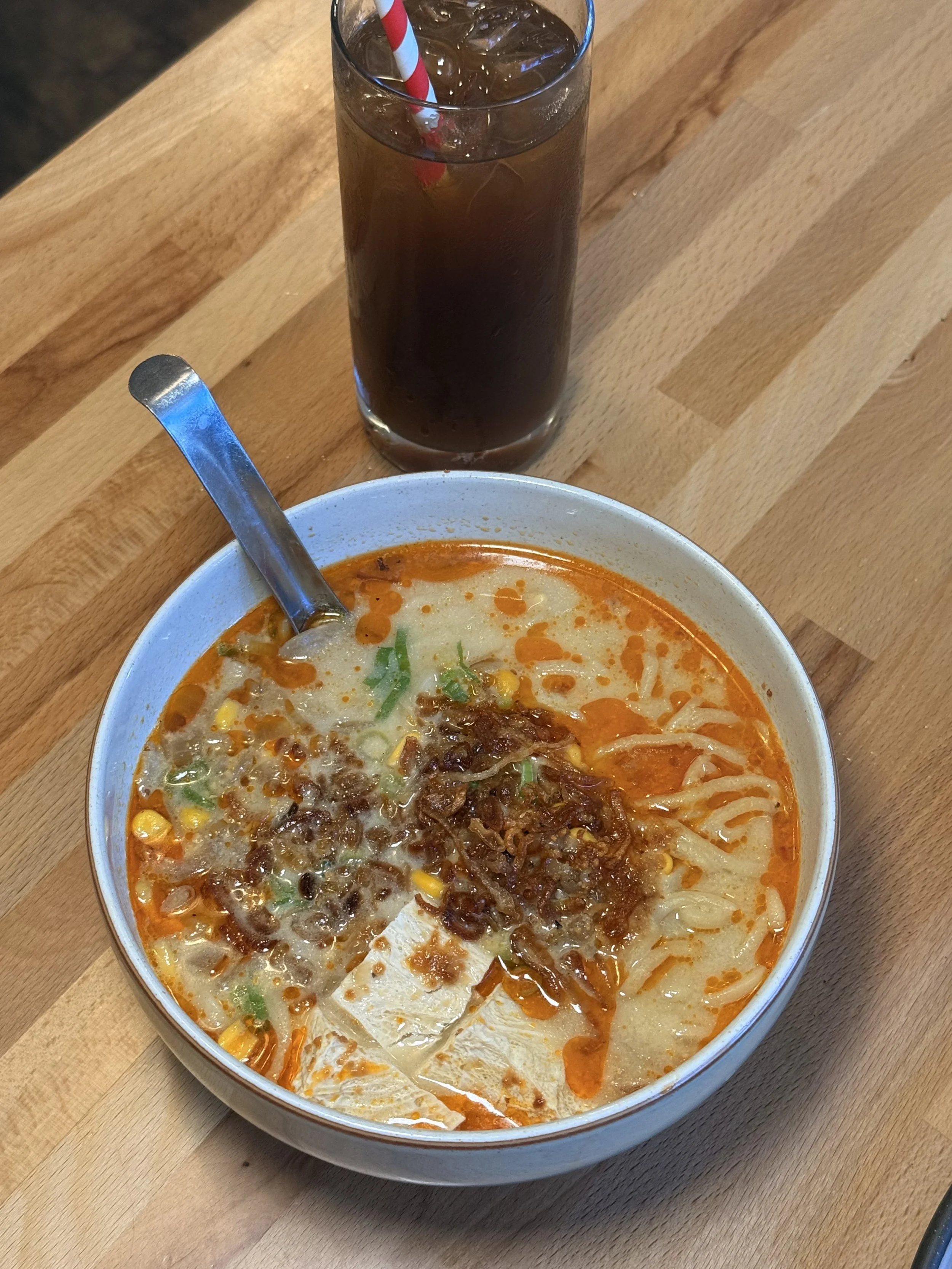
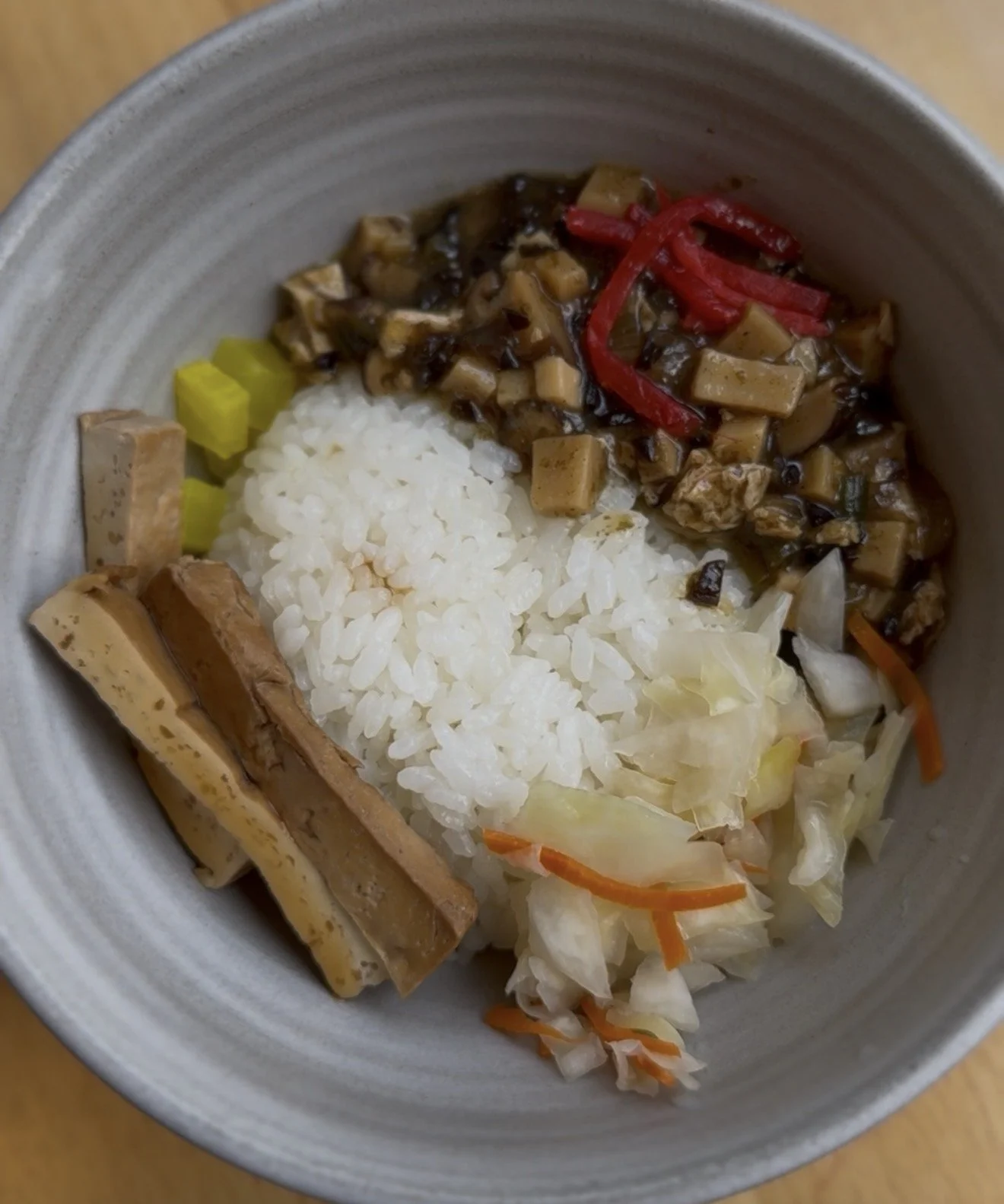
When I asked Chef Wang why he feels that plant-based Taiwanese food should NOT be viewed as separate from Taiwanese food as a whole, he said, “Many Taiwanese dishes are vegan by default and are seamlessly integrated into the everyday diet of Taiwanese people. Imposing a separate category for plant-based food is not only unnecessary but also inaccurate. Plant-based food is simply part of Taiwanese cuisine.” Amen to that!
We also touched upon whether the Western discourse about vegan food has revived any acknowledgement of the roots of animal-free eating in the other hemisphere, to which he said, “It may take generations to develop a broader collective palate that appreciates plant-based food outside the context of imitation meat. But I do think the conversation is starting to happen, and I hope that will lead people to look beyond meat substitutes and discover plant-based traditions that have existed in other cultures for generations.”
Exploring Asian food traditions offers a way to broaden that narrative. Plant-based eating is not exclusively a contemporary lifestyle choice or a luxury for health-conscious consumers. Across cultures, communities have developed distinctive ways of cooking without animal products, shaped by religious practices, local ingredients, and generations of culinary knowledge, including the Native Americans whose foods predate what we now perceive as “American food.”
Recognizing Asia's diverse plant-based traditions means moving beyond the idea that vegan food is lacking, or is one of deprivation. On the contrary, longstanding Buddhist culinary practices made the everyday use of animal-free ingredients the norm and part of the mainstream. These food cultures remind us that eating without animal products has never belonged exclusively to the modern wellness movement reserved for the privileged elite.
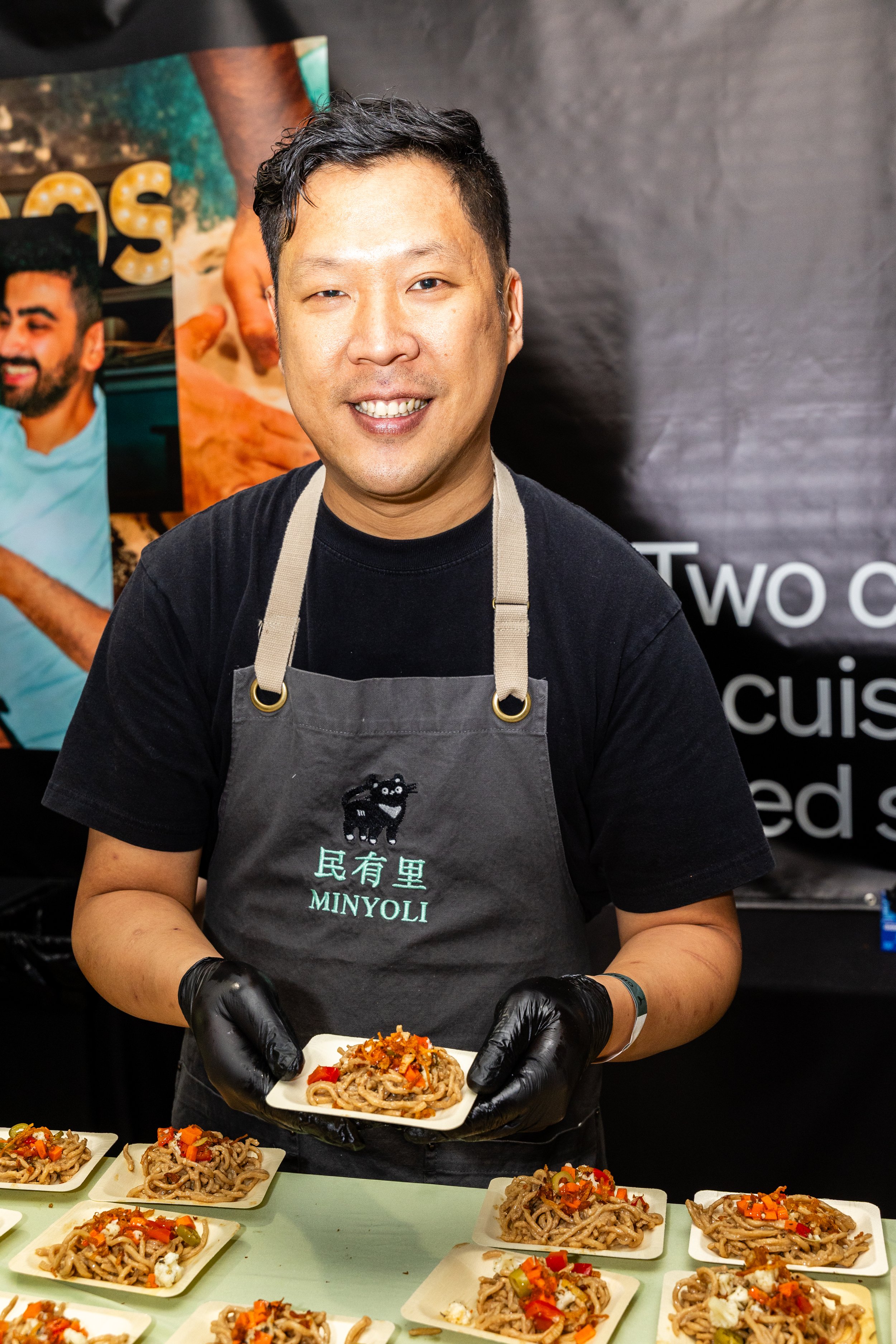
Chef Wang serving up a fusion dish, Chicago-style sesame noodles that just happen to be vegan.
Photo credits: Francis Son
By bringing underrepresented cuisines like Taiwanese food into the conversation, we can begin to appreciate plant-based eating not as a passing trend, but as an enduring part of the world's culinary heritage.
